
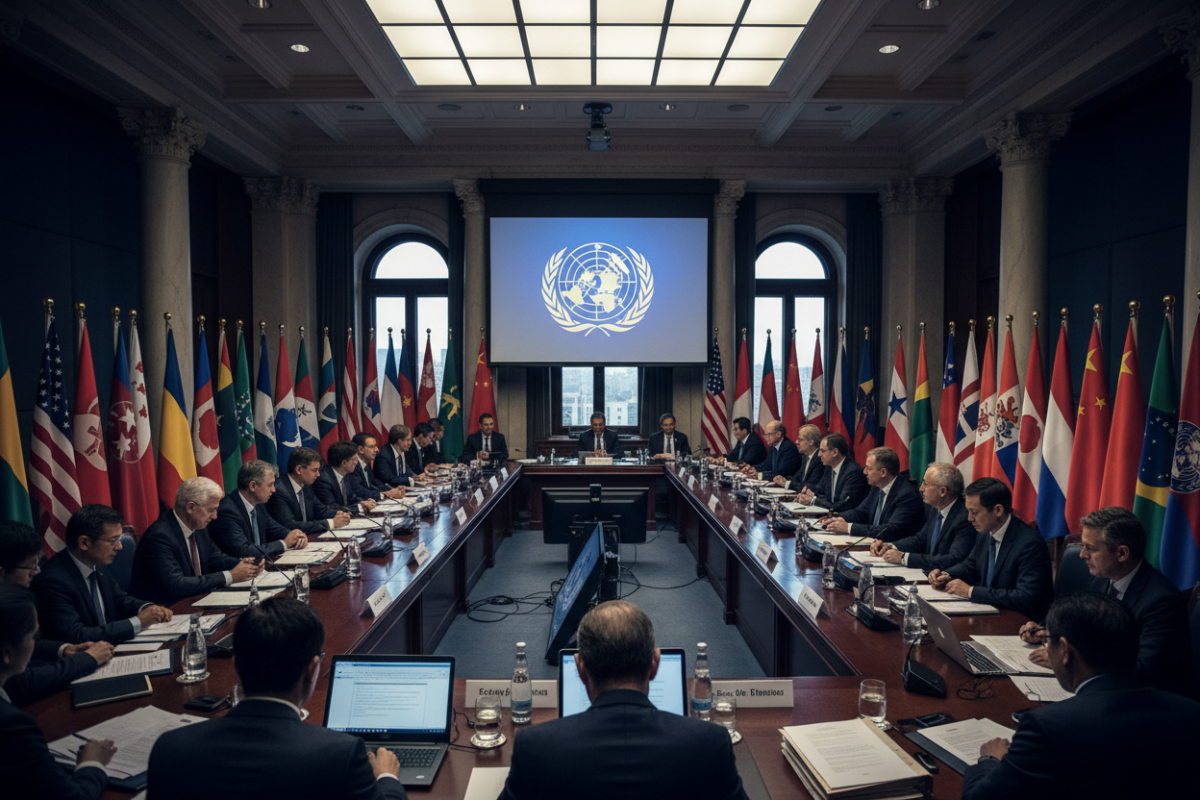
The U.S. just challenged one of the WTO’s most fundamental rules — and it changes everything for Chinese B2B exporters. On March 24, 2026, the Trump administration formally urged WTO members to rethink the “Most Favoured Nation” tariff principle, pushing for a new system that would allow the U.S. to legally charge different tariff rates to different countries. Combined with fresh Section 301 trade probes targeting 16 economies, the window to enter the U.S. market is narrowing. Here’s what it means, and what smart exporters are doing right now.
Monthly Archives: March 2026

想进军美国市场,却不知道从哪里找第一个真正有意向的美国客户?这是中国大陆和台湾企业出海最普遍的卡点。本文剖析5大核心痛点——从文化隔阂、信任壁垒到时差响应——并介绍扎根美国本土的 Nexpath 如何帮助你精准定位买家、建立初步信任,迈出进入美国市场最关键的第一步。

[2026 US Industrial Boom] Alert: U.S. manufacturing project spending has surged 106% year-over-year, with over $500 billion in active constructions waiting for suppliers! Amidst tariff shifts and policy uncertainties, how can Chinese B2B manufacturers cost-effectively “break into” this booming market? NexPathUSA analyzes critical supply gaps and unveils the “Sample-First + Proxy Exhibitor” strategy to secure your share.
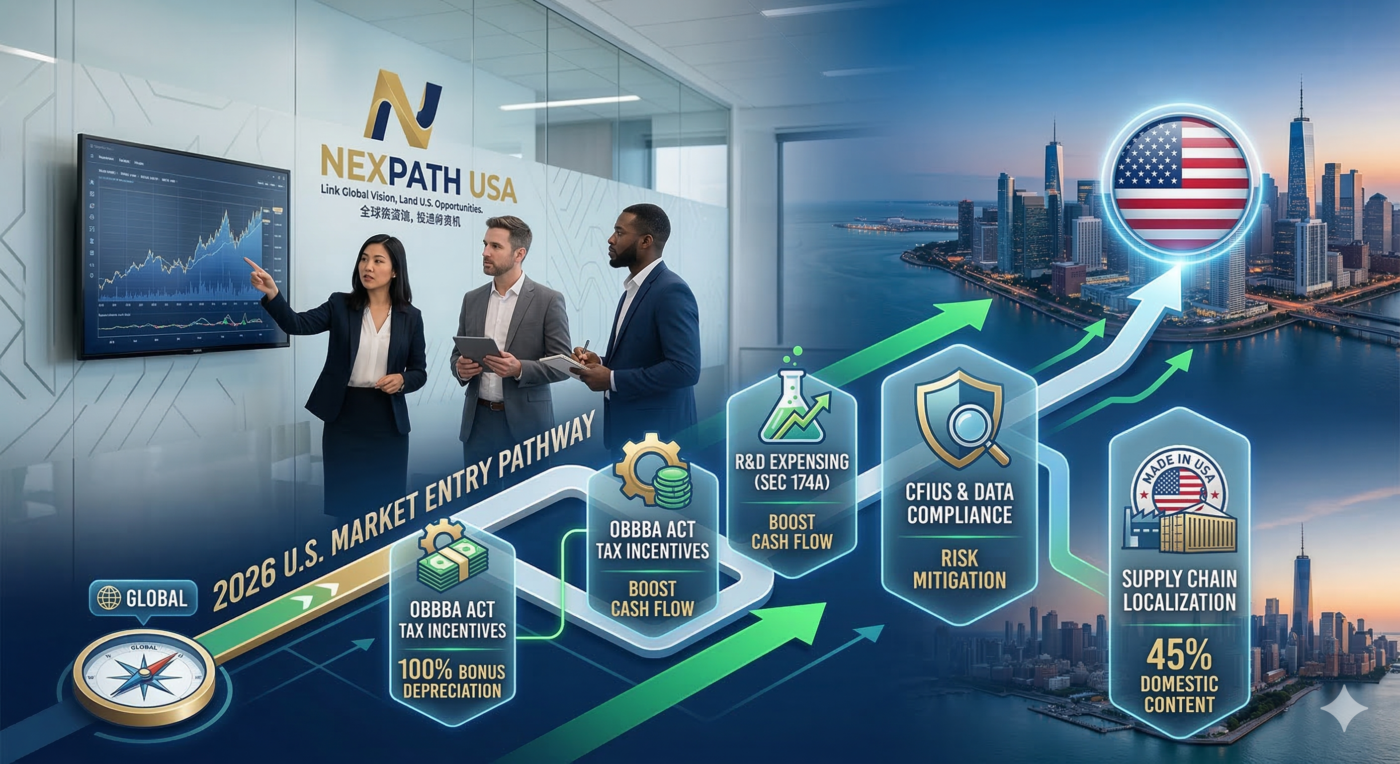
Entering the U.S. market in 2026 requires more than just a business license; it demands a strategic alignment with the new economic reality. From the game-changing tax incentives of the OBBBA Act to heightened CFIUS scrutiny and updated domestic content requirements, we break down the critical policy shifts that will define corporate success this year. Discover how NexPath transforms these complex regulatory challenges into your localized competitive advantage.
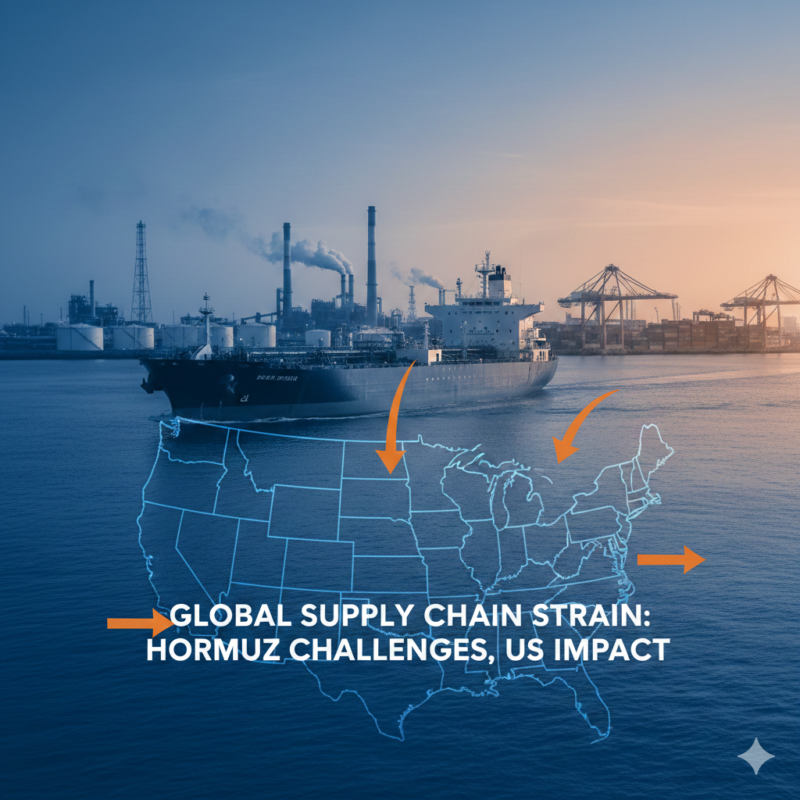
Oil has crossed $100 a barrel. Tensions around the Strait of Hormuz are rising. Global supply chains are under pressure — again. For manufacturers in China and Taiwan still relying on long-haul export routes to reach U.S. buyers, the current moment is more than a headline. It’s a strategic signal.
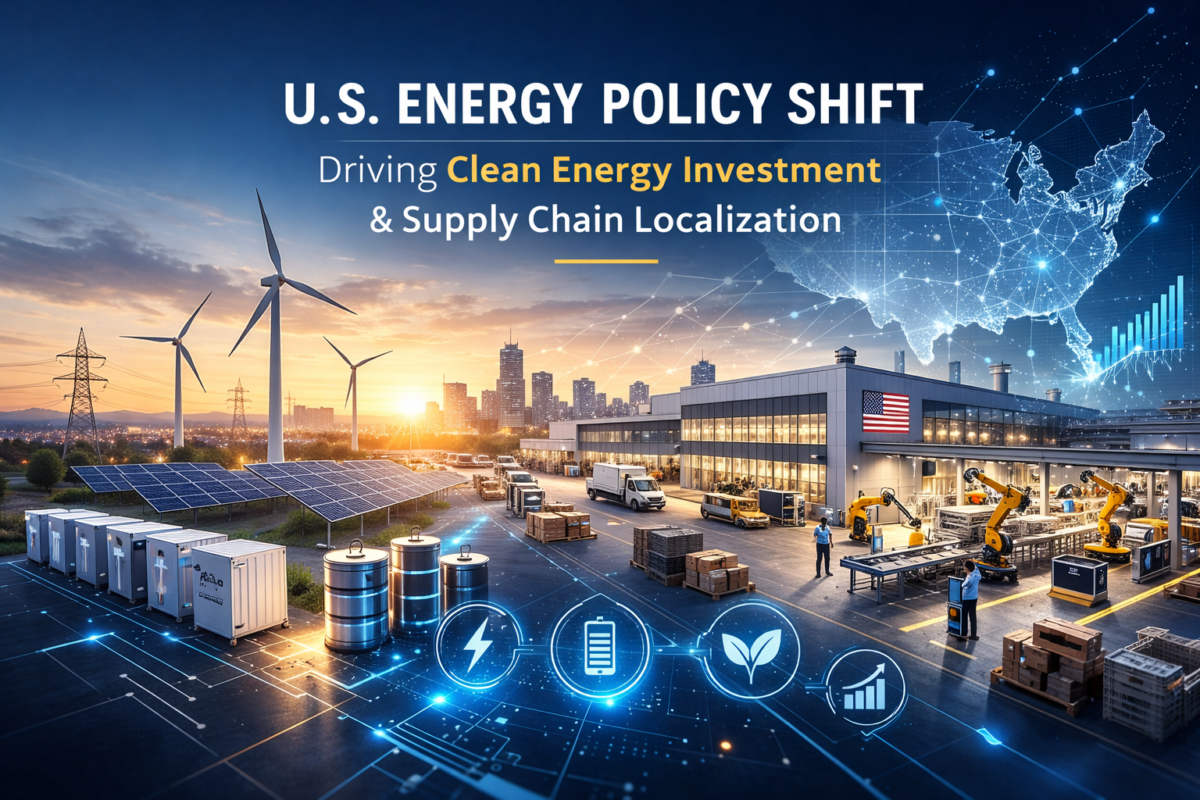
U.S. Senate Democrats are currently negotiating a new energy bill that could reshape the country’s industrial landscape. While the details of the legislation are still being discussed, the direction is becoming increasingly clear: expand clean energy investment, modernize grid infrastructure, and strengthen domestic energy supply chains.